


Exploring Village Footpaths and Traditional Country Pubs
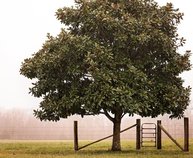
Many rural pubs sit near ancient paths offering walkers a warm meal and a chance to rest weary legs.

There are few pleasures more distinctly British than lacing up your boots, following a waymarked footpath through a patchwork of fields, and arriving at a village pub just as the kitchen opens. These ancient routes — some dating back to medieval times — were once the working paths of farmers, drovers, and parishioners. Today they offer walkers a quiet escape, and the pubs that cluster around them provide a warm welcome, a decent pint, and a plate of something hearty.
Understanding Village Footpaths and Rights of Way
In England and Wales, public rights of way are split into four main types. Footpaths are for walkers only, usually marked with yellow arrows. Bridleways allow walkers, cyclists, and horse riders, marked with blue arrows. Restricted byways add horse-drawn vehicles, and byways open to all traffic are rare but can be used by motor vehicles. In Scotland, access rights are broader under the Land Reform Act, so you can walk almost anywhere responsibly.
You will often encounter stiles, kissing gates, and footbridges. Always close gates behind you unless they are tied open. If you are unsure of the route, a large-scale map — 1:25,000 is ideal — will show the path clearly. Look for the distinctive waymark discs on posts and gates. In summer, nettles and long grass can obscure the trail, so wear long trousers if you are sensitive.
Planning a Walk That Ends at a Pub
The best walks are circular, starting and finishing at the same village. Use a guidebook or map to plot a route of three to six miles, which gives you a comfortable two to three hours of walking and plenty of time for lunch. Check the pub’s opening hours before you set off. Many rural pubs close between 2.30pm and 5.30pm, and some shut all day on Mondays. On Sundays, a carvery or roast is popular, so book a table if you can.
Consider the terrain. A flat fenland path is very different from a steep Lakeland fell. Factor in mud after rain, and allow extra time for stiles and gates. If you are walking with a dog, check that the pub is dog-friendly — most rural ones are, but only in the bar area, not the dining room.
What to Wear and Carry
British weather is famously changeable, so bring waterproofs even if the forecast is fair. Walking boots with good tread are essential for muddy fields and uneven tracks. Layers are your friend: a base layer, a fleece, and a waterproof shell. Pack a small rucksack with:
- A map and compass (and know how to use them)
- Water and a snack — a flapjack or a banana
- Blister plasters and a small first-aid kit
- A head torch in winter, as dusk falls early
- Cash for the pub, as some rural places have poor signal for card machines
In summer, add insect repellent and sunscreen. In winter, a thermos of tea can be a lifesaver. And always carry out everything you carry in — litter bins are rare in the countryside.
Pub Etiquette for Muddy Walkers
You will be welcomed, but a little consideration goes a long way. Wipe your boots on the mat or leave them outside if the pub provides a boot rack. Ask at the bar where you should sit if you are muddy. Dogs should be kept on a lead and away from other diners. Order at the bar, and don’t expect table service unless the pub is upmarket.
Traditional country pubs offer real ale, local cider, and simple food: ploughman’s, steak and ale pie, fish and chips, or a Sunday roast. The fire will be lit in winter, and the beer garden is perfect in summer. Do tip if you have had good service, and don’t linger too long after you have finished if the pub is busy.
Favourite Trail Types and Regions
Different parts of the UK offer different walking. The Cotswolds have honey-stone villages and gentle limestone paths. The Yorkshire Dales and Peak District offer rugged moorland and deep valleys. The South Downs Way and North Downs Way are chalk ridges with far-reaching views. Norfolk and Suffolk have flat, broadland paths ideal for easy days. Pembrokeshire and the Lake District offer coastal and mountain trails. Wherever you go, the village pub is rarely far away.
Respecting the Countryside and Supporting Rural Pubs
Follow the Countryside Code: leave gates as you find them, keep dogs under control near livestock, and stick to the path across farmland. Do not block gateways or startle horses. Take your litter home, and never light fires or barbecues.
Rural pubs have struggled in recent years, and walkers are a vital source of income. By planning a walk that includes a pub lunch or a pint, you are helping to keep these community hubs alive. So next time you pull on your boots, choose a route that ends with a warm welcome, a full plate, and a well-earned rest for weary legs.

Post a comment